'/%3E%3Cpath d='M30 0v30M0 15h60' stroke='%23FFF' stroke-width='10'/%3E%3Cpath d='M30 0v30M0 15h60' stroke='%23C8102E' stroke-width='6'/%3E%3C/svg%3E)
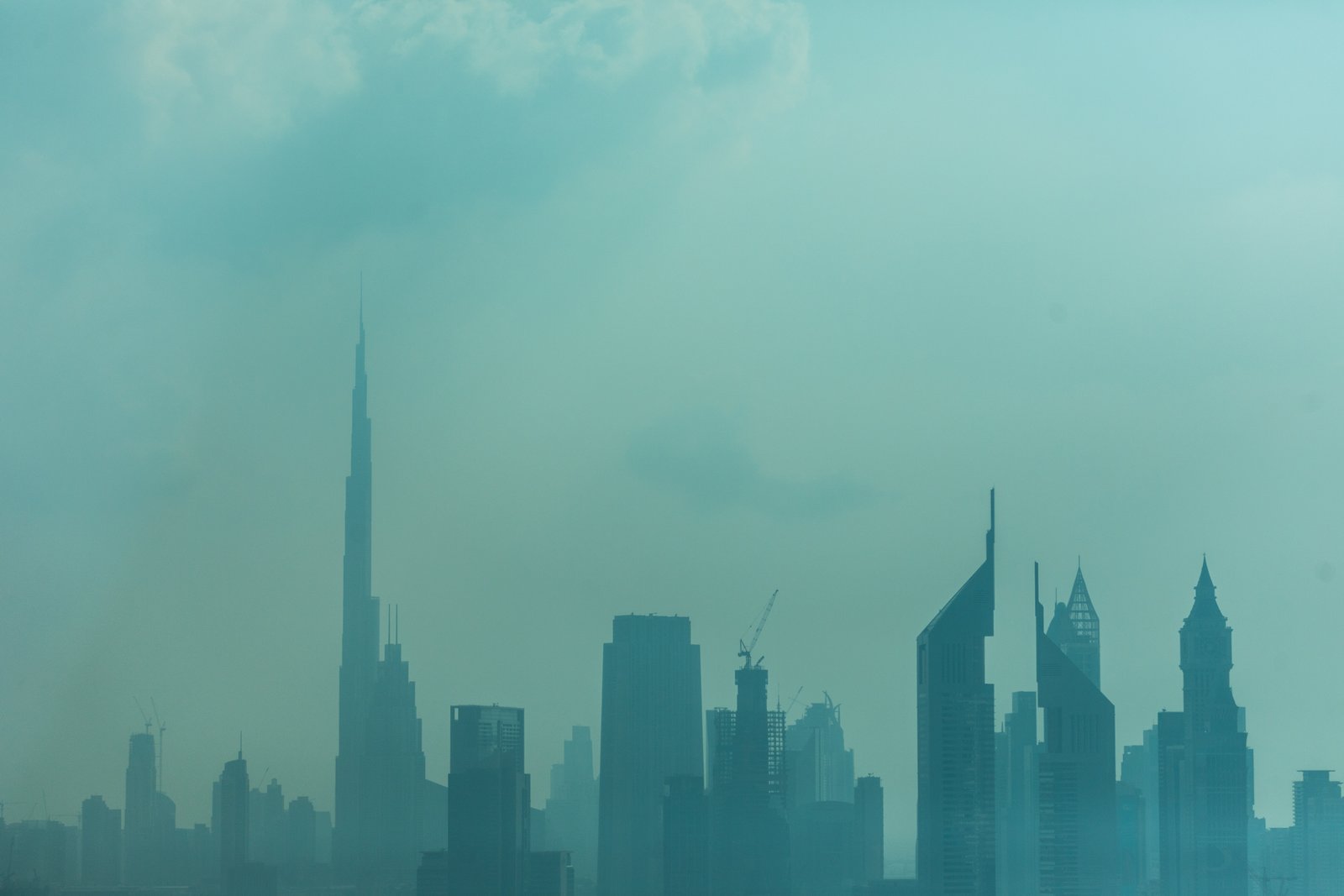
Blanket of Mist: Understanding the UAE’s Annual Fog Season and How to Navigate It Safely
This blog explains why the UAE is experiencing heavy fog this week, what causes it scientifically, and how residents can stay safe on the roads and protect their health. It covers key driving tips, school commute advice, and a look at what weather to expect in the coming weeks — all in one quick, practical read.
This blog explains why the UAE is experiencing heavy fog this week, what causes it scientifically, and how residents can stay safe on the roads and protect their health. It covers key driving tips, school commute advice, and a look at what weather to expect in the coming weeks — all in one quick, practical read.
If you stepped outside this week and found your surroundings swallowed by a thick white haze, you are not alone. Across Dubai, Abu Dhabi, Sharjah, and beyond, dense fog has been rolling in during the early morning hours — reducing visibility on highways and waterways to near-zero levels.
This seasonal phenomenon is predictable. Yet every year, it still manages to catch people off guard.
Here’s what’s happening and how you can stay safe.
What Is Causing the Thick Fog?
The UAE’s fog season typically runs from November through March, peaking during the cooler winter months.
What we’re experiencing right now is a classic case of radiation fog — formed by a combination of:
High humidity
Calm winds
Clear skies
A sharp drop in overnight temperatures
During the day, the ground absorbs heat from the sun. At night, that heat rapidly radiates back into the atmosphere. As temperatures fall in the early hours before dawn, moisture in the warm air condenses into tiny water droplets, forming fog at ground level.
The country’s proximity to the Arabian Gulf and the Indian Ocean ensures a constant supply of humidity — the key ingredient that fuels these dense morning blankets.
The Science Behind “Near-Zero” Visibility
Meteorologists classify fog as:
Fog: Visibility below 1,000 metres
Dense fog: Visibility below 200 metres
This week, several areas have recorded visibility under 200 metres — a level at which even slow-moving traffic becomes dangerous.
These fog events are intensified by seasonal transition patterns. As winter gives way to spring, warm and cold air masses collide more frequently over the region. This shift is responsible for both foggy mornings and the breezy, mild afternoons residents have been enjoying.
When and Where Does Fog Hit Hardest?
Fog in the UAE typically forms between 3:00 AM and 9:00 AM, peaking around sunrise.
The most affected areas include:
Coastal zones
Low-lying flatlands
Areas near creeks and shorelines
Major highways connecting emirates
Inland routes especially those linking Dubai to Abu Dhabi or Sharjah to Ras Al Khaimah frequently experience near-zero visibility during peak events.
How to Stay Safe on the Roads
Fog-related accidents spike every year during this period. The National Centre of Meteorology regularly issues fog advisories and they should never be ignored.
Here’s how to protect yourself and others:
Use Fog Lights Only
Avoid high beams. They reflect off fog particles and make visibility worse.
Slow Down Significantly
Drive well below the posted speed limit. Stopping distances increase dramatically in low visibility.
Increase Following Distance
Double your usual following distance. Rear-end collisions are the most common fog-related accidents.
Pull Over Safely If Needed
If visibility becomes dangerously low:
Pull completely off the road
Turn off your headlights
Keep hazard lights on
No Phone Distractions
Even hands-free calls reduce concentration. Your reaction time must be at its best.
Delay Non-Essential Travel
If possible, wait until 9:00 AM or 10:00 AM when fog typically lifts. No appointment is worth a collision.
⚠️ School Commute Advisory
Parents and school transport drivers should leave significantly earlier during fog advisories. Schools across the UAE often implement delayed start times during severe fog.
Check your school’s communication channels each morning before departure.
What About Pedestrians and Cyclists?
Fog reduces visibility in both directions.
If you must be outdoors:
Wear bright or reflective clothing
Avoid cycling on busy roads
Cross only at designated, well-lit crossings
Early morning runners should consider indoor workouts on particularly dense fog days.
Protecting Your Health During Fog
Fog can also impact respiratory health especially for those with asthma, allergies, or other lung conditions.
Fog droplets can carry:
Dust particles
Pollutants
Allergens
If you are sensitive:
Wear a mask outdoors during heavy fog
Keep windows and doors closed during peak hours
Use air purifiers if available
What’s Coming Next?
The seasonal transition means this pattern — foggy mornings followed by sunny, breezy afternoons is likely to continue for several more weeks.
As temperatures rise through March, warm air will gradually dominate, and fog formation will decrease.
Until then, make it a habit to check updates from the National Centre of Meteorology each evening before bed.
Conclusion
Fog season in the UAE is annual, predictable, and manageable but only when taken seriously.
The combination of high-speed highways, early commute culture, and dense residential populations means the risks are real. A few minutes of preparation each morning — checking the forecast, leaving early, and adjusting your driving habits can make all the difference.
Stay alert. Stay prepared. And drive safely.